Beyond Lymph: Why Also Looks at Fascia
Fascia, muscles, nerves, blood vessels, and lymphatic vessels work together. Explore why re:FLOW considers surrounding tissues and movement when planning body care.
By The re:FLOW team6 min read

To understand flow within the body, we also need to understand the tissues it moves through.
When your body feels heavy or stiff, it can be tempting to wonder, “Could my lymph flow be sluggish?” But comfort and ease of movement cannot be explained by lymph alone.
Muscles, fascia, nerves, blood vessels, and lymphatic vessels work within an interconnected environment. This is why considers not only lymph, but also how fascia moves, where muscles hold tension, and how you breathe when planning body care.
Fascia is more than a covering around your muscles
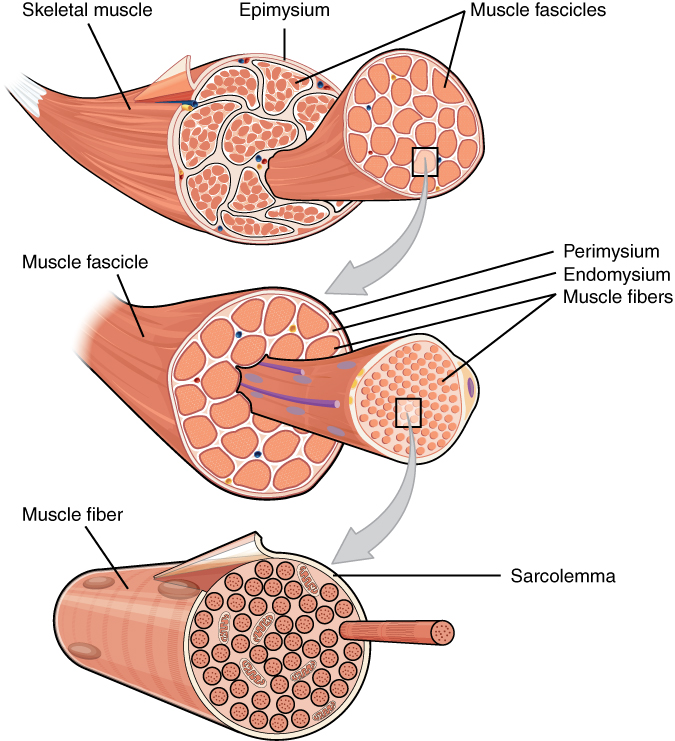
Fascia is connective tissue that surrounds, connects, and supports muscles and other structures throughout the body. Think of it as a three-dimensional support network.
Its thickness and structure vary from one area to another. Some regions need firm support, while others need to glide smoothly against neighboring tissues.
1. It connects tissues and helps transmit force
Fascia contributes to the transfer and distribution of mechanical forces between connected tissues during movement. These relationships are one part of how the body’s structures work together.
2. It supports organs while allowing necessary movement
Fascia and other connective tissues around organs provide support and help maintain stable relationships with surrounding structures. They also allow the movement needed for activities such as breathing and digestion.
These tissues provide support while allowing organs to move as their functions require.
3. It helps protect tissues and reduce friction
Fascia separates and supports tissues and contributes to the distribution of mechanical loads. The ability of tissue layers to glide against one another also helps reduce friction during movement.
4. It contributes to the way we sense movement
Fascial tissues contain sensory nerve endings and can contribute to body awareness and pain. Their sensory roles vary by tissue and region.
What is fascia made of?
Fascia is made up of fibers, cells, and a water-containing matrix that fills the spaces between them.
Its main components include:
- Collagen: Provides tissue strength and helps it withstand pulling forces.
- Elastin: Contributes to the ability to stretch and return, depending on the tissue and region.
- Hyaluronic acid and the surrounding matrix: Help retain water and support smooth gliding between tissue layers.
- Cells, including fibroblasts: Produce and maintain tissue components and respond to mechanical loading and injury.
Hyaluronic acid is also found between fascial layers and between fascia and muscle, where it helps support tissue gliding.
Fascia is living tissue in which water, cells, and structural components work together.
How can fascia’s function change?
Well-functioning fascia provides firmness where support is needed and allows appropriate gliding where movement is needed. Being healthy does not mean being soft everywhere.
Changes can affect several aspects of its function:
- Strength and flexibility: Fascia normally has the strength and flexibility appropriate to its role. Excessive stiffness or fibrosis, a buildup of fibrous connective tissue, may develop in some areas.
- Gliding between layers: Tissue layers normally glide against one another. This gliding may become reduced.
- Force distribution: Connected tissues help transmit and distribute loads during movement. Loads may become concentrated in particular areas when these relationships change.
- Everyday movement: Tissues should allow comfortable movement. Pulling sensations, sensitivity, or restricted movement may accompany changes in tissue function.
Injury, inflammation, surgical scarring, and prolonged inactivity can affect tissue structure and gliding.
However, stiffness or pain alone does not establish that fascial adhesions are present. Muscles, joints, nerves, and other factors also need to be considered.
How is fascia related to nerves, blood vessels, and lymph?
These structures do not exist in isolation. Nerves, blood vessels, and lymphatic vessels travel within connective tissues or between tissue layers, where their surroundings matter.
Healthy fascia does not, by itself, resolve every circulation-related problem.
Nerves: room for relative movement matters
As the body moves, nerves need to be able to move relative to surrounding tissues. In some areas, scarring, fibrosis, or sustained compression can restrict this movement or contribute to irritation.
The sensory nerves within fascia itself can also contribute to discomfort.
Blood vessels: tissue pressure and movement are relevant
Blood vessels move with surrounding tissues. Excessive or sustained tissue pressure can affect local blood flow, while the contraction and relaxation of muscles help venous blood return toward the heart.
This makes it meaningful to consider movement and the condition of surrounding tissues. Massage does not “clean” blood vessels, and our wellness body-care sessions are not a treatment for vascular disease.
Lymph: returning fluid from the tissues
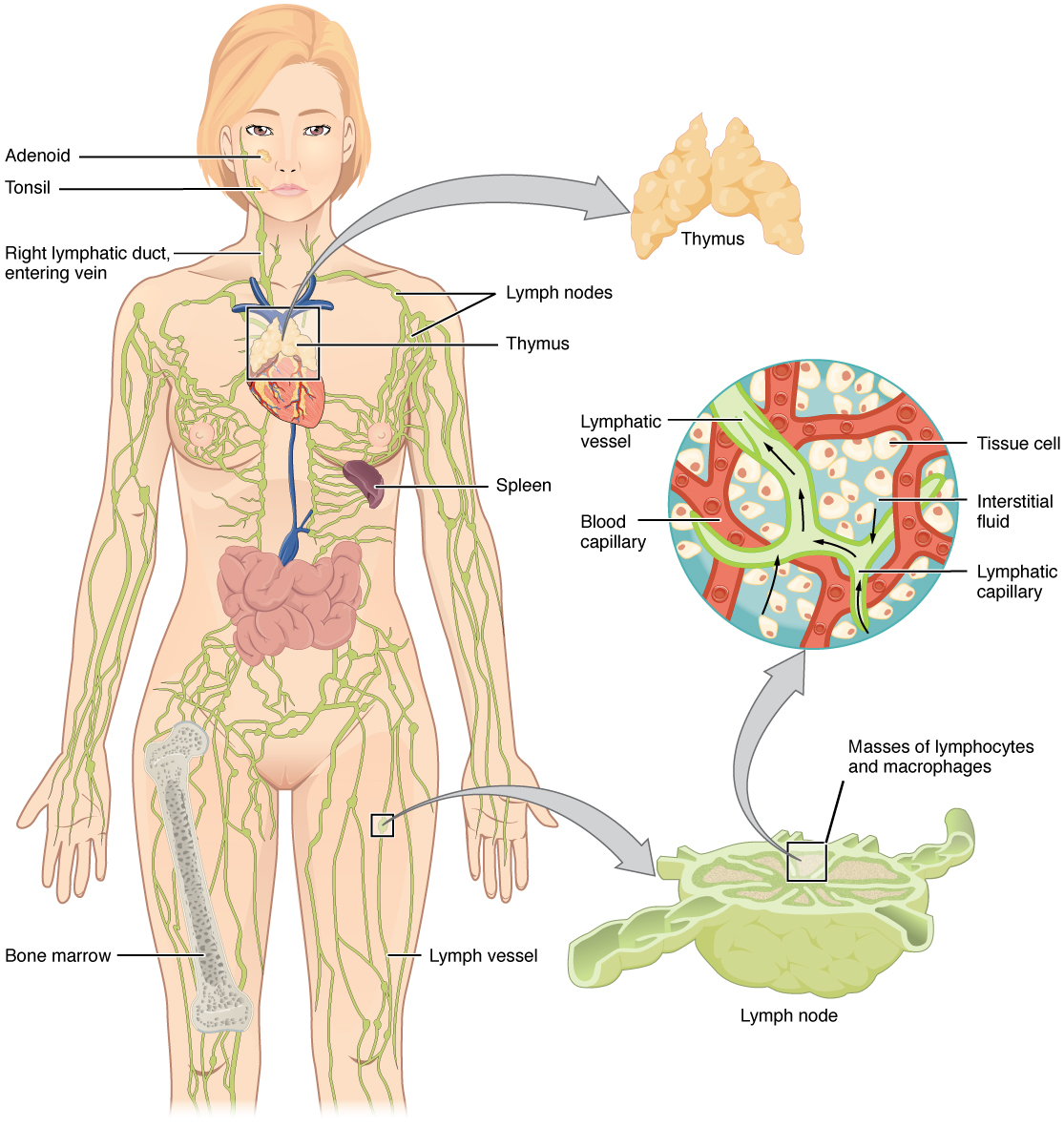
Lymphatic vessels collect fluid from the spaces between cells and return it to the bloodstream. The surrounding matrix, tissue pressure, and the condition of the lymphatic vessels all play a part in fluid movement.
Lymph transport is supported by contractions in collecting lymphatic vessels, muscle movement, and pressure changes associated with breathing.
Understanding lymph therefore also means considering surrounding tissues and the way the body moves.
Why looks beyond lymph
At , we consider the surrounding tissues and movement when planning body care.
We begin by listening to how you describe heaviness, pulling sensations, and your ease of movement. We then consider tension in fascia and other soft tissues, muscle movement, and breathing as part of the session.
We tailor the approach and pressure to the individual, with comfort and ease of movement in mind, rather than trying to force tissues to release.
The anatomical roles of fascia and the effects of a particular massage technique must be understood separately. We do not promise that body care will reposition organs or normalize nerve, blood vessel, or lymphatic function.
Body care begins with understanding how your body moves and flows.
Find an approach that suits you.
Anatomy references and image credits
These references explain anatomy and physiology; they do not establish outcomes for a particular service. The illustrations are educational references, not depictions of treatment results.
- Stecco and colleagues: Histological study of the deep fasciae of the limbs (2008)
- Stecco and colleagues: Hyaluronan within fascia in the etiology of myofascial pain (2011)
- Tesarz and colleagues: Sensory innervation of the thoracolumbar fascia in rats and humans (2011)
- Wilke and colleagues: Ankle motion and soft-tissue displacement in the thigh (2020)
- Scallan and colleagues: Lymphatic pumping: mechanics, mechanisms and malfunction (2016)
Connective-tissue illustration: “1007 Muscle Fibes (large)” by OpenStax, from Anatomy and Physiology, via Wikimedia Commons. CC BY 4.0. Unmodified.
Lymphatic-system illustration: “2201 Anatomy of the Lymphatic System” by OpenStax College, from Anatomy & Physiology, via Wikimedia Commons. CC BY 3.0. Unmodified.
Cover photograph: studio care, from existing studio treatment footage.